What Is Jev? A Decision Model for Software, Not Another Chatbot
TypeSafe’s Jev returns structured choices and confidence estimates for narrow tasks. Here is where that design can fit, what the claims mean, and how to test it safely.
By Chakri AI Research
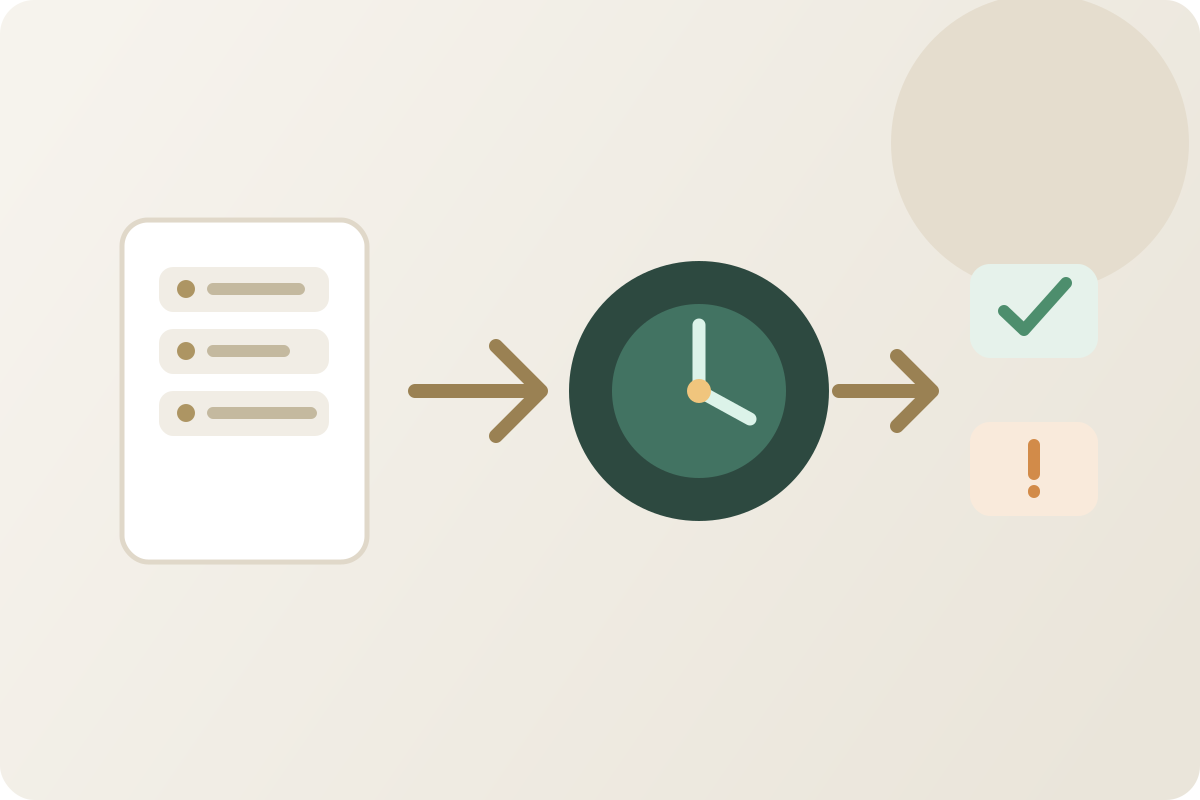
Jev is a model from TypeSafe AI designed to return structured judgments—such as choosing among options and attaching confidence estimates—instead of writing a general-purpose text response. That makes it a different kind of component: it is meant to sit inside software logic for a narrow task, where an application can use a typed result directly.
Where it might fit
A system could use a decision model to classify a support request, route a task to a specialist model, or decide whether a result needs human review. The application defines the allowed choices and what to do with each one. Jev does not replace the rest of the workflow: software still needs input validation, policy checks, logging, fallbacks, and a safe way to handle uncertainty.
| Use a structured decision model when… | Use a text-generating model when… |
|---|---|
| The possible outputs can be defined in advance | The task needs an explanation, draft, or open-ended answer |
| You need a compact result for application logic | The user needs language, code, or a detailed synthesis |
| You can measure decision quality against labeled examples | You need to assess quality across many dimensions of generated content |
Read performance claims with care
TypeSafe’s launch post reports speed and cost results for its own “System One” evaluations. Those are vendor-reported results on tasks the company designed; they do not show that Jev is a faster or cheaper replacement for every LLM request. Vercel’s Python guide describes Jev as a tool for narrow classification decisions and explicitly says teams need to test whether it is accurate enough for their use case.
A confidence value is not proof that a decision is correct. Measure accuracy and calibration on examples from your own workflow, including ambiguous and adversarial cases. Decide in advance which confidence ranges can proceed automatically and which should go to a person. Start with reversible, low-risk actions.
Sources and further reading
- TypeSafe AI: Introducing System One Models & Jev
- Vercel: Jev for Python engineers
- TypeSafe AI: Don’t Call It a Decision Model
Specifications and prices can change. Check the linked pages before making a purchasing or deployment decision.