MCP’s 2026 Stateless Update: What Changed and What App Builders Should Check
A plain-English migration guide to MCP’s 2026-07-28 revision: independent requests, explicit state, multi-round-trip input, HTTP routing headers, and the compatibility checks teams should make.
By Chakri Engineering
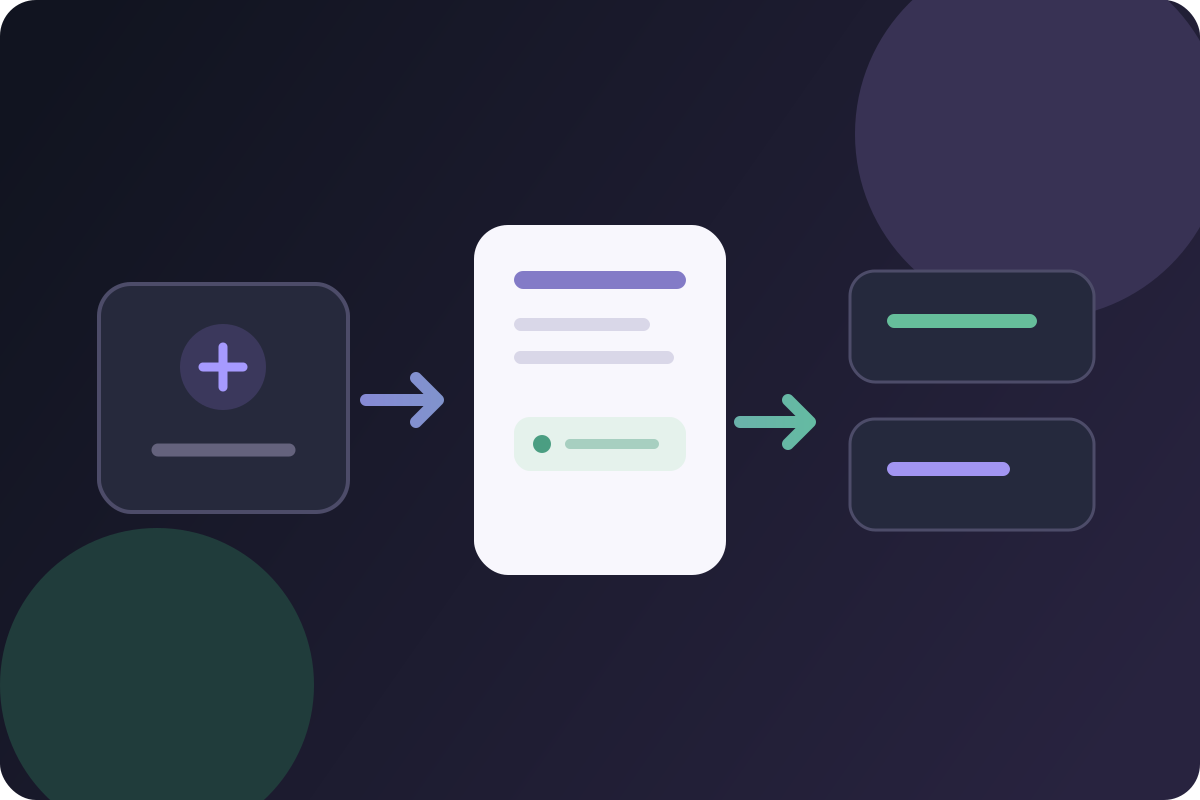
MCP gives AI applications a shared way to connect to tools and data. The 2026-07-28 revision changes an important implementation assumption: remote Streamable HTTP requests no longer depend on a protocol session that keeps a client attached to one server instance. That can simplify scaling, but it also changes the wire behavior and means an old client and a new server cannot simply be assumed to interoperate.
What the new lifecycle means in practice
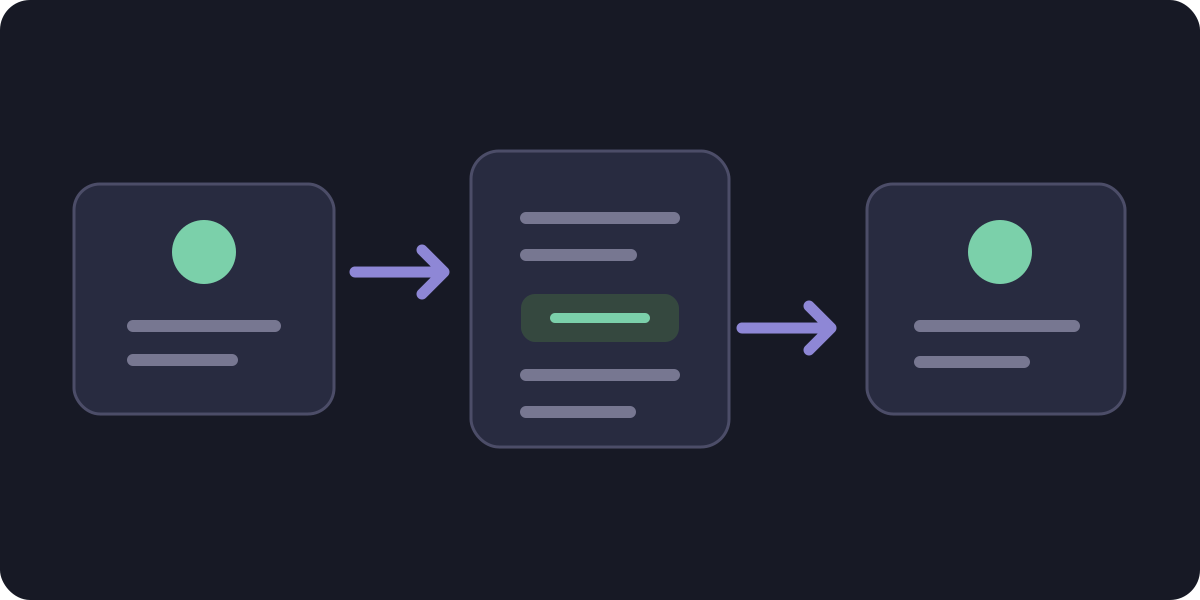
The revised flow removes the initialize/initialized handshake and the Mcp-Session-Id header from the modern protocol lifecycle. Requests carry their protocol version and relevant client metadata. A client may use server/discover to learn capabilities, but the specification does not require a discovery call before every use. Any server instance can handle an individual request, which fits ordinary load balancing without sticky sessions.
Stateless transport does not mean a stateless product. If a task needs to remember a draft, a workflow step, or a long-running operation, the application can create an explicit handle and pass it back on later calls. That makes the state visible in application logic, where its ownership, lifetime, and permissions can be designed and reviewed.
The changes worth testing
| Area | What changed | What to verify |
|---|---|---|
| Connection lifecycle | No modern initialize handshake or session ID | Client and server agree on the protocol revision; legacy clients still reach a compatible endpoint |
| Application state | Cross-call state is explicit, such as a returned task handle | Handles are scoped to the right user, expire appropriately, and cannot grant extra authority |
| Requests needing input | Multi-round-trip requests return input_required and accept a retried call with responses | Cancellation, retries, duplicate submissions, and user confirmation are handled clearly |
| HTTP routing | Streamable HTTP uses Mcp-Method and Mcp-Name headers | Gateways, proxies, logs, and authorization rules preserve and validate required headers |
| Authorization | The revision tightens OAuth issuer and credential handling | The chosen SDK implements the required validation and credentials remain tied to their issuer |
The protocol maintainers describe these changes as a move toward request/response infrastructure and clearer authorization boundaries. That is the spec’s design intent, not a claim that any specific deployment becomes secure automatically. Review the exact revision, SDK version, and migration guide you ship against; SDKs may support modern and earlier protocol generations side by side.
Plan compatibility before changing production
Inventory clients, servers, and hosted integrations first. Add a compatibility test for the protocol version each one speaks, then exercise tool discovery, a normal call, a call that requests user input, an authorization failure, and a retry. For HTTP, inspect the request as it passes through your real gateway—headers can be stripped or rewritten before your MCP server sees them.
Sources and further reading
- Model Context Protocol: 2026-07-28 specification release
- MCP TypeScript SDK: supporting protocol revision 2026-07-28
Specifications and prices can change. Check the linked pages before making a purchasing or deployment decision.