RAG Is a Search System First: How to Make Answers Easier to Trust
A practical RAG guide for builders: find the retrieval failure before changing the prompt, combine exact and semantic search, and measure whether the evidence really supports the answer.
By Chakri Engineering

When a retrieval-augmented generation (RAG) answer is wrong, “the model hallucinated” is only one possibility. The relevant page may never have been retrieved. A chunk may have lost the title or date that made it meaningful. The search results may be good, but the answer may still overstate what those sources say. Treat RAG as a search-and-evidence system with a writing step at the end.
Find out which stage is failing
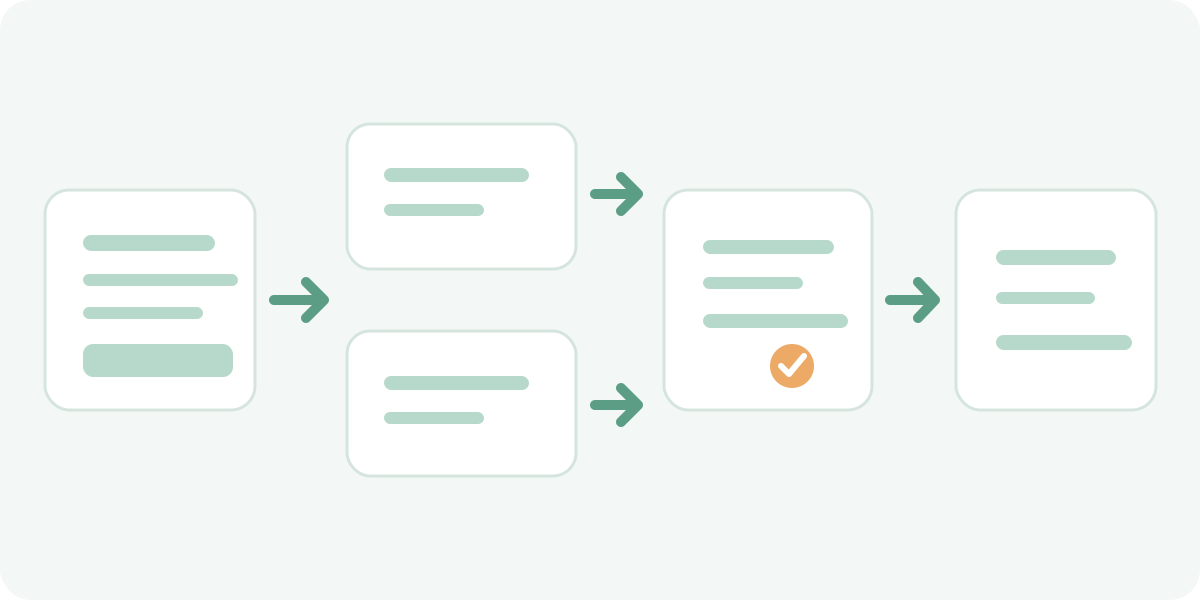
Log a small sample of real questions together with the retrieved passages and final response. Label the needed source passage for each question. If that passage is missing from the top results, the problem is retrieval. If it is present but the response ignores it, inspect the prompt and context layout. If the passage itself is incomplete or stale, fix the source pipeline before tuning the model.
Also check whether you need retrieval at all. If the trusted reference material is small enough to fit comfortably in the model context, compare a simple prompt that includes it with a RAG pipeline. Anthropic makes this point in its own guide: for a small knowledge base, sending the full source can be simpler. The right cutoff depends on your model, latency, cost, and how often the source changes.
Mix search methods when the query demands it
Vector search is good at matching related ideas, but an exact error code, product name, or policy clause can be a poor semantic match. Keyword scoring such as BM25 can find those literal strings. Combining lexical and semantic retrieval gives you two ways to find a useful passage; reranking the combined candidates can then focus the final context. This is a pattern to evaluate, not a guarantee that adding more retrieval steps always improves quality.
Anthropic’s Contextual Retrieval experiments report fewer failed retrievals after adding short, document-aware context to chunks, with further improvement when reranking is added. Those numbers describe the company’s tested datasets and setup. Treat them as a reason to run the same experiment on your own corpus, not as an expected uplift for every application.
| Symptom | Inspect first | Useful measurement |
|---|---|---|
| The right source is absent | Chunk boundaries, metadata, query wording, retrieval method | Recall@k: how often the needed passage appears in the first k results |
| The source appears but the answer misses it | Context ordering, prompt instructions, conflicting passages | Evidence use: does each answer claim follow from retrieved text? |
| The answer cites the wrong version | Source freshness, effective dates, duplicate documents | Version accuracy on questions with time-sensitive policies |
| The answer is polished but unsupported | Answer constraints, citations, abstention path | Unsupported-claim rate in a reviewed sample |
Keep the evidence visible
Show readers which source passages informed an answer, link to the original document, and make “I could not find enough evidence” a valid outcome. Test questions whose answer is absent from the corpus. A system that confidently invents an answer to those questions may look helpful in a demo while failing the job it was built to do.
Sources and further reading
Specifications and prices can change. Check the linked pages before making a purchasing or deployment decision.